
Blog
Insurance Approved Car Trackers UK: What Drivers Need to Know

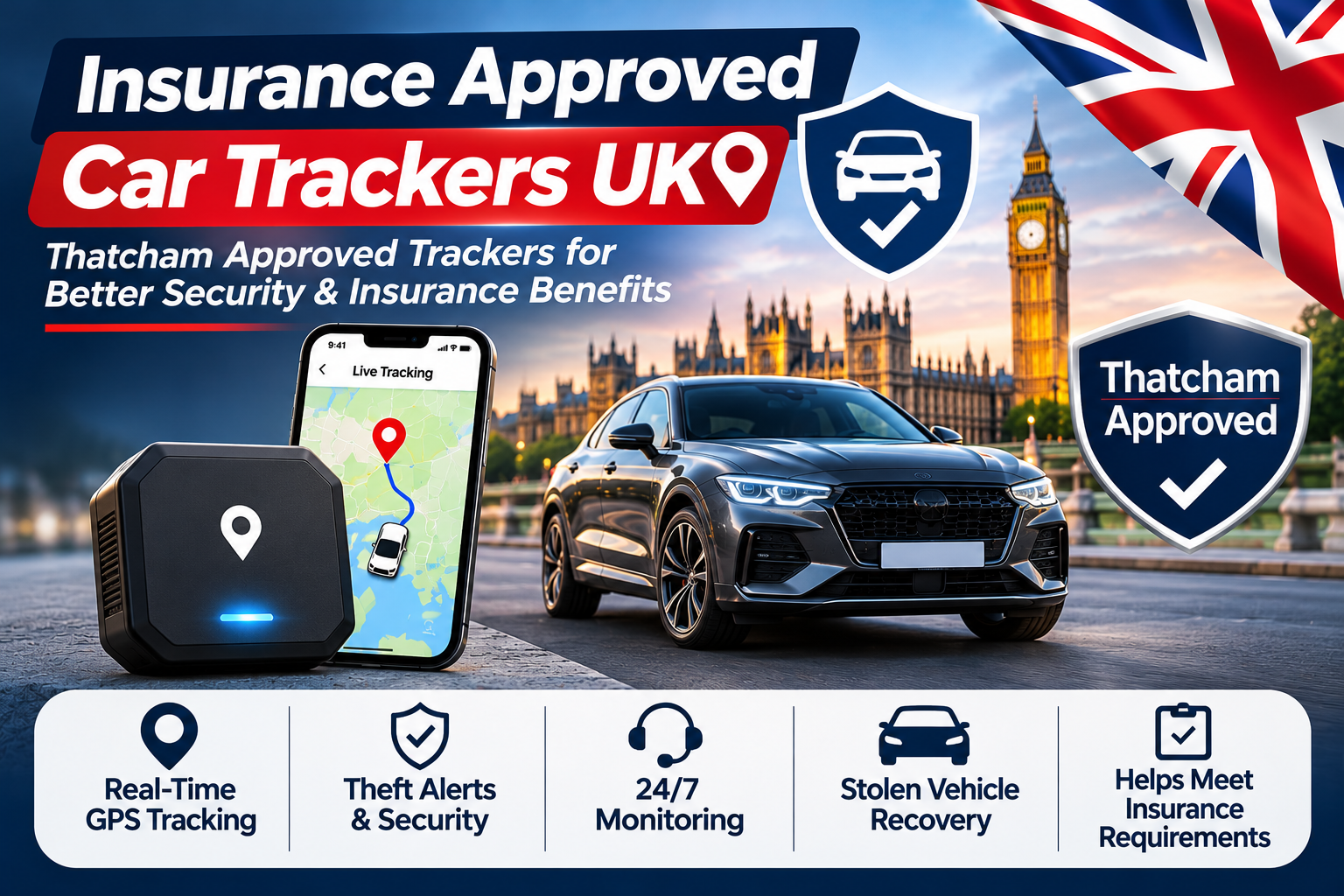
Insurance Approved Car Trackers UK: 7 Things Drivers Need to Know
A vehicle tracker can help locate a car if it is stolen, but not every tracker meets every insurer’s requirements. Insurance Approved Car Trackers UK are systems accepted by an insurer for a particular vehicle and policy. Before choosing one, drivers should check the required security category, the specific device, and any installation conditions.
A tracker may be required because of a vehicle’s value, theft risk, or the terms of an insurance policy. The best approach is to confirm the requirements with your insurer before buying or booking installation.
What Are Insurance Approved Car Trackers UK?
The phrase Insurance Approved Car Trackers UK refers to vehicle tracking systems that meet the requirements set by an insurer. Some insurers specify a recognised security category, such as a Thatcham category, while others may require a particular type of system or approved installation.
Approval is not a blanket guarantee that a tracker will be accepted for every car or policy. Always confirm the exact device and installation requirements with your insurer.
1. Check Your Insurance Policy First
Before buying a tracker, read your policy documents and look for any security requirements. If the insurer requires a tracker, check whether it specifies a category, a particular system, or an approved installer.
If the wording is unclear, contact the insurer and ask for confirmation in writing. This can help prevent you from paying for a tracker that does not meet your policy conditions.
2. Understand Tracker Categories
Car trackers are available in different security categories. For example, some systems focus on tracking and locating a vehicle, while others include additional features such as driver recognition.
The category your insurer requires matters more than choosing the tracker with the most features. If your policy specifies a particular category, do not assume that a different category will be accepted as an alternative.
3. Confirm the Exact Tracker Model
A manufacturer may offer several tracking systems, and they may not all have the same features or approval status. Confirm the exact model—not just the brand name—with your insurer before purchasing.
Ask the supplier to provide the product details and any relevant certification or installation information. This makes it easier to verify that the system matches your insurer’s requirements.
4. Choose a Suitable Installer
Some insurers require a tracker to be fitted by an approved or qualified installer. Others may have specific installation or documentation conditions.
Before booking, ask who will carry out the fitting, whether the installer meets your insurer’s requirements, and what paperwork you will receive. Keep the installation certificate and any supporting documents in case your insurer requests them.
5. Understand Monitoring and Subscription Costs
Many tracking systems rely on an active monitoring service. Depending on the product, the cost may include installation, activation, monitoring, and an ongoing subscription.
Compare the total cost over time rather than looking only at the initial price. Ask what happens if a subscription expires, how monitoring is renewed, and whether any additional charges apply.
6. Know What a Tracker Can and Cannot Do
A tracker can help locate a vehicle after theft is reported, but it cannot guarantee that the car will be recovered. The system’s features and response process depend on the specific product and service.
Ask the provider how theft alerts are handled, what steps you should take if your car is stolen, and whether the system requires a particular app, tag, or monitoring plan. A tracker should be considered one part of a wider vehicle security approach.
7. Keep Your Records Up to Date
After installation, keep the tracker documentation, subscription details, and any confirmation from your insurer. Make sure the insurer knows the system has been fitted if they require notification.
If you change the vehicle, tracker, installer, or subscription, check whether the change affects your policy. Keeping records current can help you demonstrate that you have followed the insurer’s requirements.
How to Choose Insurance Approved Car Trackers UK
Use this checklist before making a purchase:
- Confirm the tracker category required by your insurer.
- Check that the exact model is accepted for your vehicle and policy.
- Verify whether an approved installer is required.
- Ask what installation documents will be provided.
- Compare the equipment, fitting, and ongoing monitoring costs.
- Confirm how the system works if the vehicle is stolen.
- Keep the insurer informed of any relevant changes.
These steps help you compare Insurance Approved Car Trackers UK based on suitability and policy requirements, rather than relying on marketing claims alone.
Frequently Asked Questions
Does every Insurance Approved Car Trackers UK policy require a tracker?
No. Tracker requirements depend on the insurer, policy, and vehicle. Check your policy documents or contact your insurer to confirm whether a tracker is required.
Is a Thatcham-approved tracker automatically accepted by every insurer?
Not necessarily. Insurers may have different requirements for the category, specific device, vehicle, or installation. Confirm acceptance with your own insurer before buying.
Can I install a tracker myself?
That depends on the insurer’s conditions and the tracker. If professional or approved installation is required, self-installation may not meet the policy requirements. Check before arranging the fitting.
Will a Insurance Approved Car Trackers UK reduce my insurance premium?
A tracker may be required as a condition of cover, but it does not guarantee a lower premium. Ask your insurer whether fitting a particular system affects your policy or price.
What should I do if my tracker subscription expires?
Contact the tracker provider and your insurer to confirm what needs to be renewed. If active monitoring is required by your policy, make sure the service remains in place.
Conclusion
Insurance Approved Car Trackers UK are not one-size-fits-all products. The right system depends on your insurer’s requirements, the exact tracker model, and any installation or monitoring conditions.
Before buying, confirm the required category and device with your insurer, check the fitting arrangements, and understand the ongoing costs. A little research upfront can help you choose a suitable tracker and avoid problems with your policy later.